

Alla Nazimova
Birthday: 22 May 1879, Yalta, Taurida Governorate, Russian Empire [now Crimea, Ukraine]
Birth Name: Mariam Leventon
Height: 160 cm
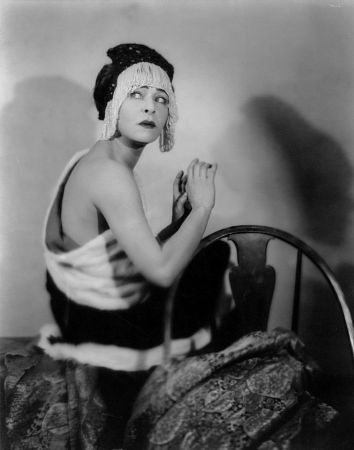
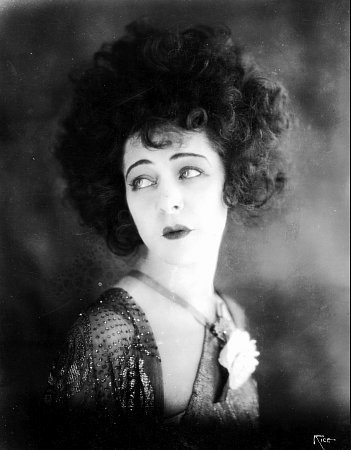
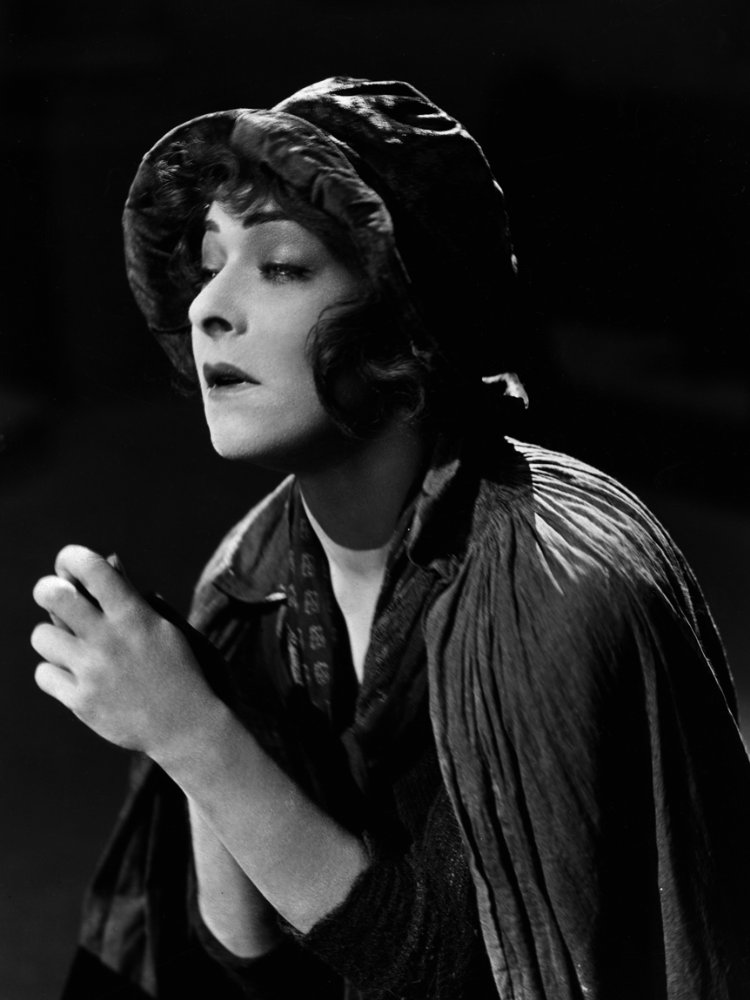
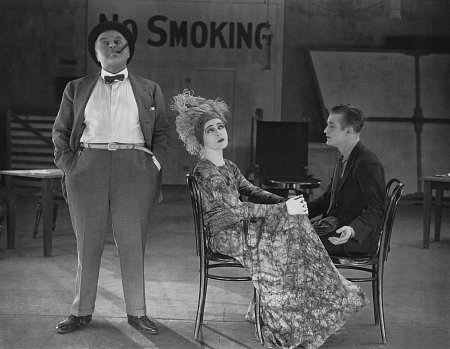
The grand, highly flamboyant Russian star Alla Nazimova of Hollywood silent films lived an equally grand, flamboyant life off-camera, though her legendary status has not held up as firmly as that of a Rudolph Valentino today.Alla Nazimova was born Miriam Edez Adelaida Leventon in 1879, in Yalta, Crimea, in the Russian Empire, to Jewish parents, Son...
Show more »
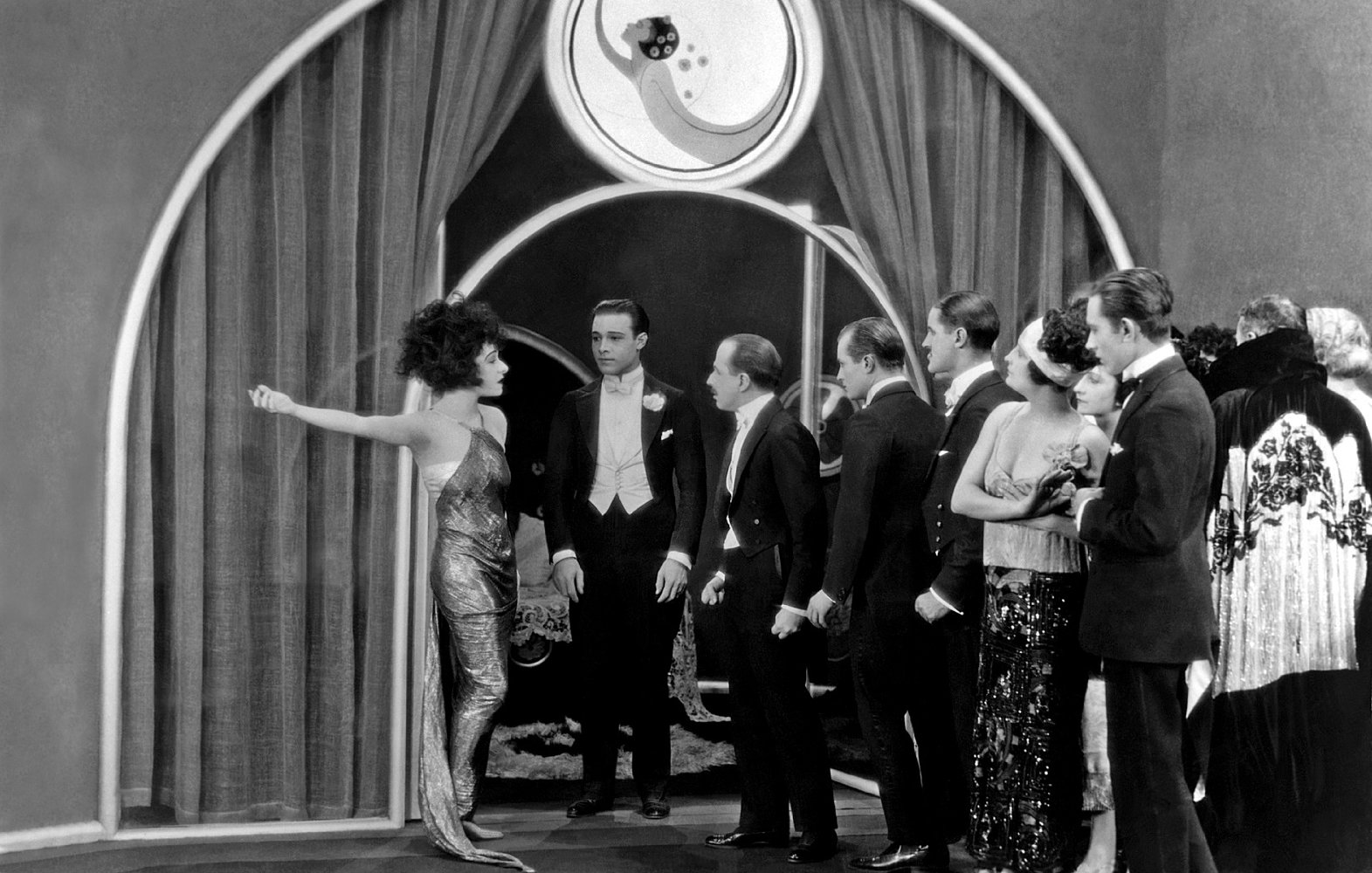
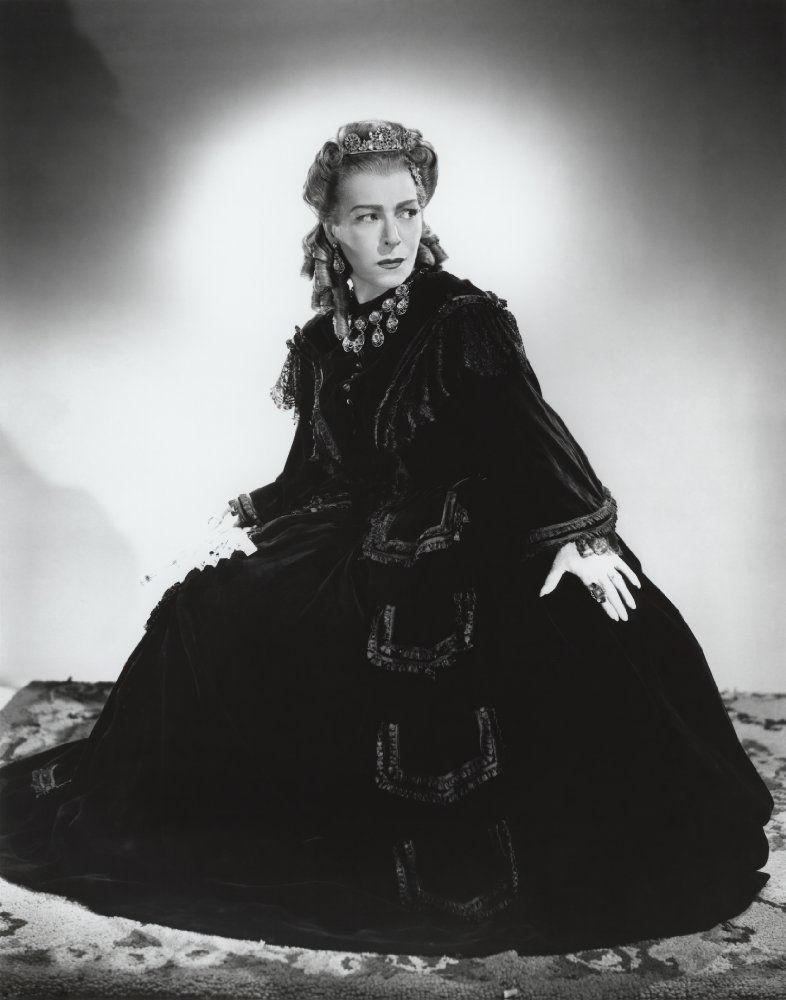
The grand, highly flamboyant Russian star Alla Nazimova of Hollywood silent films lived an equally grand, flamboyant life off-camera, though her legendary status has not held up as firmly as that of a Rudolph Valentino today.Alla Nazimova was born Miriam Edez Adelaida Leventon in 1879, in Yalta, Crimea, in the Russian Empire, to Jewish parents, Sonya Horowitz and Yakov Leventon. She was the third child in an abusive, contentious household. Most of her sad childhood was spent in foster homes or in the care of other relatives and she showed a strong penchant for outrageous behavior to cope. Nazimova also showed a great aptitude for music at a young age and began violin lessons at age seven. She changed her name to Alla Nazimova when she began appearing on stage--her father insisted on it, as "performing" was not considered respectable at the time.She began acting lessons at age 17 and joined Konstantin Stanislavski's company of actors as a pupil of his "method style" at the Moscow Art Theatre. During that time she supported herself by being kept by rich, older men. A failed love affair led to her only marriage, to an acting student named Sergei Golovin, but they separated quickly. She grew discontented with Stanislavsky and later performed in repertory. She met the legendary Pavel Orlenev, a close friend of Anton Chekhov and Maxim Gorky, and entered into both a personal and professional relationship with him. They toured internationally throughout Europe with great success and came to New York in 1905, where Nazimova was saluted on Broadway for her definitive interpretations of Henrik Ibsen's "Hedda Gabler" and "A Doll's House." Orlenev returned to Russia but Nazimova stayed.She made her screen debut with War Brides (1916), which was initially a 35-minute play. By 1918 she was a box-office star for Metro Pictures and completed 11 films for the studio over a three-year period. A torrid, stylish and rather outré tragedienne who played exotic, liberal women confronted by great personal anguish, she earned personal successes as a reformed prostitute in Revelation (1918), a suicide in Toys of Fate (1918) and dual roles as half-sisters during the Boxer Rebellion in The Red Lantern (1919), not to mention the title role of Camille (1921) with Rudolph Valentino. At the same time she maintained a strong Broadway theatrical career.In accordance with her rise in the film industry, she began producing her own efforts, which were bold and experimental--and monumental failures, although they are hailed as great artistic efforts today. Her Salomé (1922) was quite scandalous and deemed a failure at the time. The monetary losses she suffered as producer were astronomical. The Hays Code, which led to severe censorship in pictures, also led to her downfall, as did her outmoded acting style. She was forced to abandon films for the theater, scoring exceptionally well in Anton Chekhov's "The Cherry Orchard." She did return to films briefly in the 1940s in a variety of supporting roles, but she made these solely for the money.Nazimova's private life has long been the subject of industry gossip. As a Hollywood cover to her well-known bisexual lifestyle, she coexisted in a "marriage" with gay actor Charles Bryant for well over a decade. Her "Garden of Allah" home was the centerpiece for many glamorous private parties. She died in 1945. Show less «
[on motion pictures in a 1916 interview] The pioneer days are now past. This is proved, not in the g...Show more »
[on motion pictures in a 1916 interview] The pioneer days are now past. This is proved, not in the great mass of moving pictures we see, but the flashes of genius which show what can be done when true artists devote themselves sincerely to creative work. On the speaking stage there have always been more bad plays than good ones, but no one ever argued from this that the drama was a failure. We must always judge an art by its best examples, not by its worst, not even its second best . . . At the present the proportion of fine motion pictures to the total number produced is smaller than the proportion of masterpieces in other art, but if we pause to consider the youth of this field of endeavor, we find our criticisms answered. We must be patient. Show less «
[In 1929] I wish I could burn every inch of my films. I'm ashamed of them.
[In 1929] I wish I could burn every inch of my films. I'm ashamed of them.
[Upon meeting the then unknown Rudolph Valentino for the first time] How dare you bring that gigolo ...Show more »
[Upon meeting the then unknown Rudolph Valentino for the first time] How dare you bring that gigolo to my table? How dare you introduce that pimp to Nazimova? Show less «

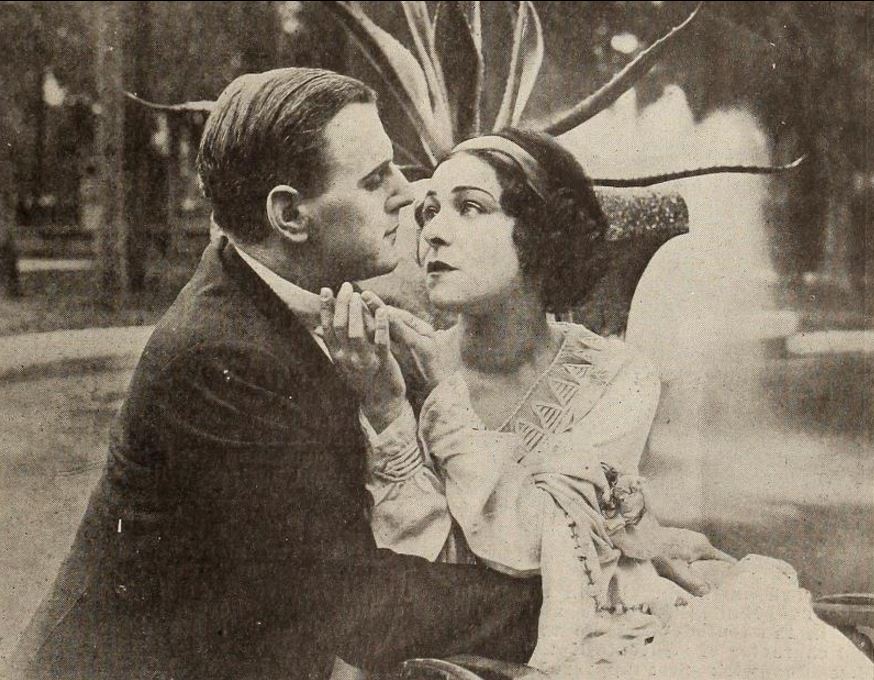
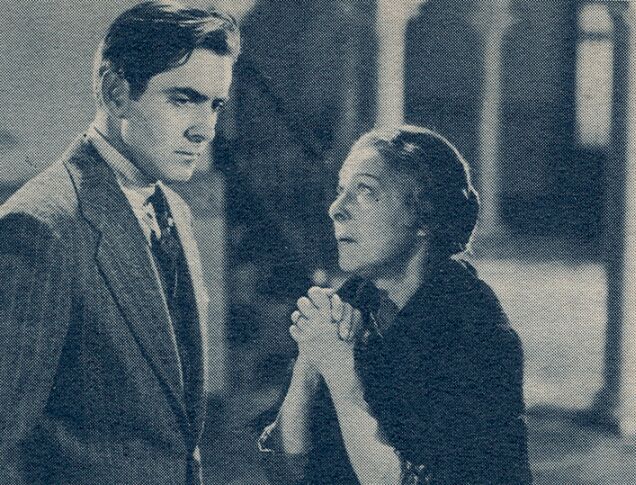
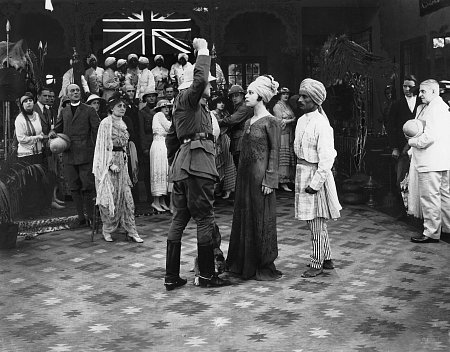
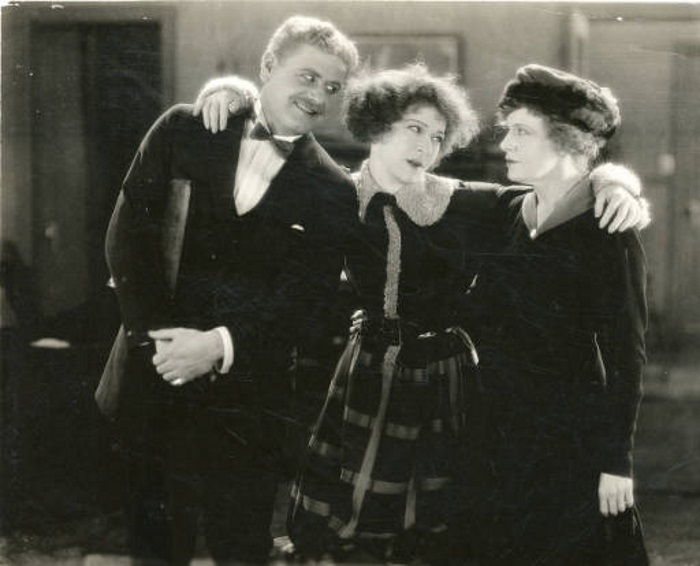




Alla Nazimova's FILMOGRAPHY
HD
Annabelle: Creation
IMDb: 7
2017
109 min
Country: United States
Genre: Thriller, Horror, Mystery
Twelve years after the tragic death of their little girl, a dollmaker and his wife welcome a nun and several girls from a shuttered orphanage into ...